 MagicWardrobes


So What Is A Gothic Look?
According to the Metro, the first-ever usage of the term ‘gothic’ was in 1764, when Horace Walpole described his novel, The Castle of Otranto, a classic horror. Over 100 years later, the classic Dracula book was published and became renowned for gloomy and dark times. However, that period also birthed some of the most profound and meaningful literature, poetry also storytelling of all time.
The Gothic style was then resurrected in the Victorian times when many looks were influenced by the medieval times. In the 18th century Queen Elizabeth who often wore black after her husband died influenced British fashion and trends.
Fast forward 60 – 80 years’ when the post-punk era began. Many music artists made music influenced by 18th-century literature, old horror movies, feelings and storytelling. These artists were influencers who combined Victorian, medieval and other dark period fashion.
Today, individuals across the globe celebrate all types of Gothic styles. Gothic styles can be mixed and matched accordingly and often used on the catwalk and within high street fashion trends. These trends have been influenced by the many subcultures of the Gothic style.
Subcultures of the Gothic look
There are a few types of Gothic looks that are associated with the typical Gothic style.
Traditional Goths
Many believe Goths have the desire to stand out from everyone else, therefore, choose to exaggerate particular features and looks. For example, many will dye their hair black, apply black nail polish and dark eyeliner, and wear period-style clothing. This is a typical, traditional gothic look, additional elements may include:
-Ankle boots
-Militant look
-Big Ball dresses
-Corsets
-Velvet skirts and jackets
Punk-Rock Goths
The Punk Rock fashion style landed in the 1970s emphasising extremes, edginess and exaggerated colours. Although black is the main colour, many punk rockers use rich and bold colours within the hair and accessories. A typical Punk-Rock Goth will wear:
-Leather jacket
-Skater dresses
-Belts
-Chains
-Fishnets
-Traditional clothes
Steampunk
Steampunk originated from a mixture of Victorian times but concentrating on romantic view of science in literature and the industrialization in Europe. The first revival of steampunk was in 2006 at a convention where people dressed in costumes representing this look. In 2010 punk clothing was brought to mainstream through fashion and art. This ma include:
-Gadgets
-Military
-Waist coats
-Bowler hats and
Machinery/design influences
Goth Makeup
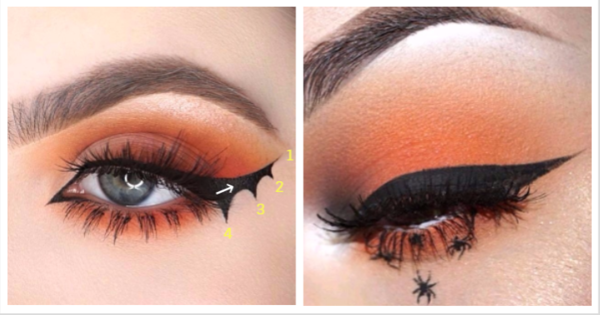
The Gothic look isn’t just centred round fashion but make up too. There are a few key goth makeup such like bat makeup looks that represent the Gothic look:
1.White/pale base colour on the face- Starting with a white base is the best way to contrast against dramatic eyes and lips.
2.Dramatic eye makeup – the base colour of a typical Gothic look is often black so the eyes can be dramatized then an additional colour may be added or smudged in such as:
a.Purple
b.Reds
c.Greys
d.Blues
3.Black lipstick – dark lipstick against a pale/white base can emphasis drama and balance the look along with exaggerated eyes.
4.Adding other features and elements can help emphasis the look, this includes drawing on spiders, webs, dramatic flicks and Celtic symbols.
Representation of Colours
Although common, Black is not the only colour that represents Goths. There are other colours such as red, purple, gold and white to complete the Gothic look. Gothic colours are often dark emotive colours that represent emotion and feelings. When Gothic is represented in fashion, the colours can be indicative of a theme or storytelling.
Black
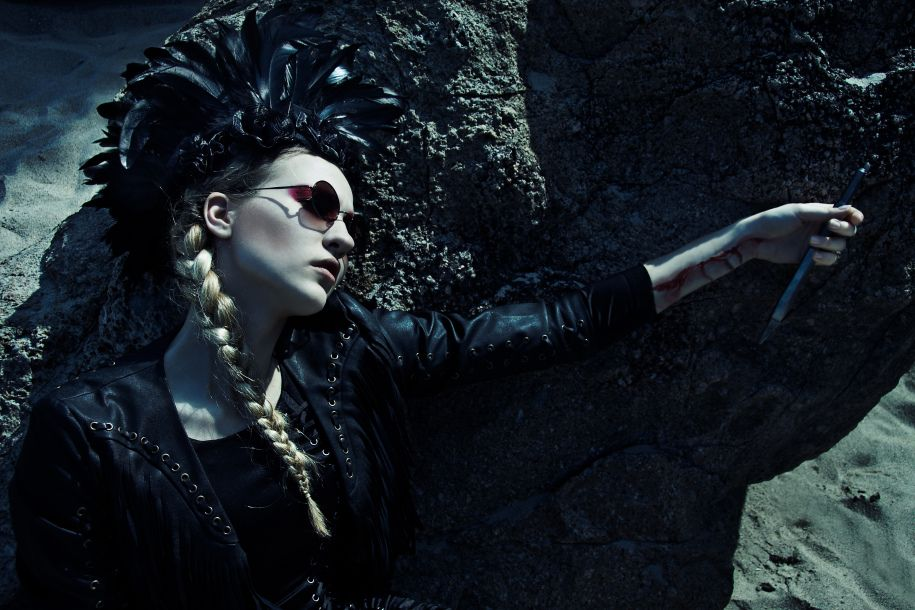
Black is often used as the main colour in fashion, film, art and creativity,look the black lace dress follow. In the medieval period and throughout Gothic literature black symbolised evil, death, mystery and the unknown. In regards to feeling, black was used to describe the characters’ mood and emotion. Black emphasised sadness, morning and gloom.
White
Believe it or not white (the complete opposite of black) is also part of the Gothic colour palette. Throughout time white has represented innocence, purity and new beginnings. This colour is often used as a contrast against black and allows room for further storytelling. Yet, white in some cultures represents death and the end of life which is the perfect match.
Purple
Although purple is indicative of royalty it can also represent spirituality, superstition, energy. Purple used within Gothic looks can express magic and supernatural elements. It’s also a softer colour that is often worn by women as another accent against the black.
Gold
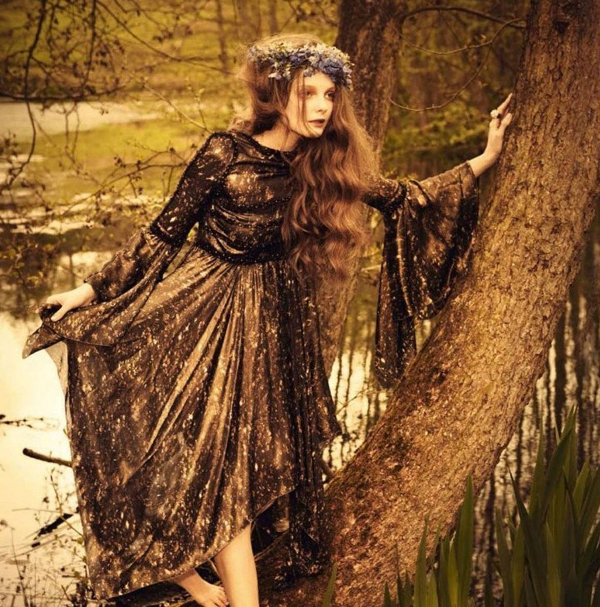
Sometimes golds are represented within the gothic look, although this isn’t extremely common, it can be used to represent strength, richness and power. Often in Gothic stories and photo albums, the golds are antique gold and part of a rich character.
Red
Although red can represent blood, red can also be a contrast against the main colour black. Red is also a strong colour and can also represent fire, passion and anger. In literature, sometimes love is alongside or the origins to a horror story, therefore, can be represented through deep reds.
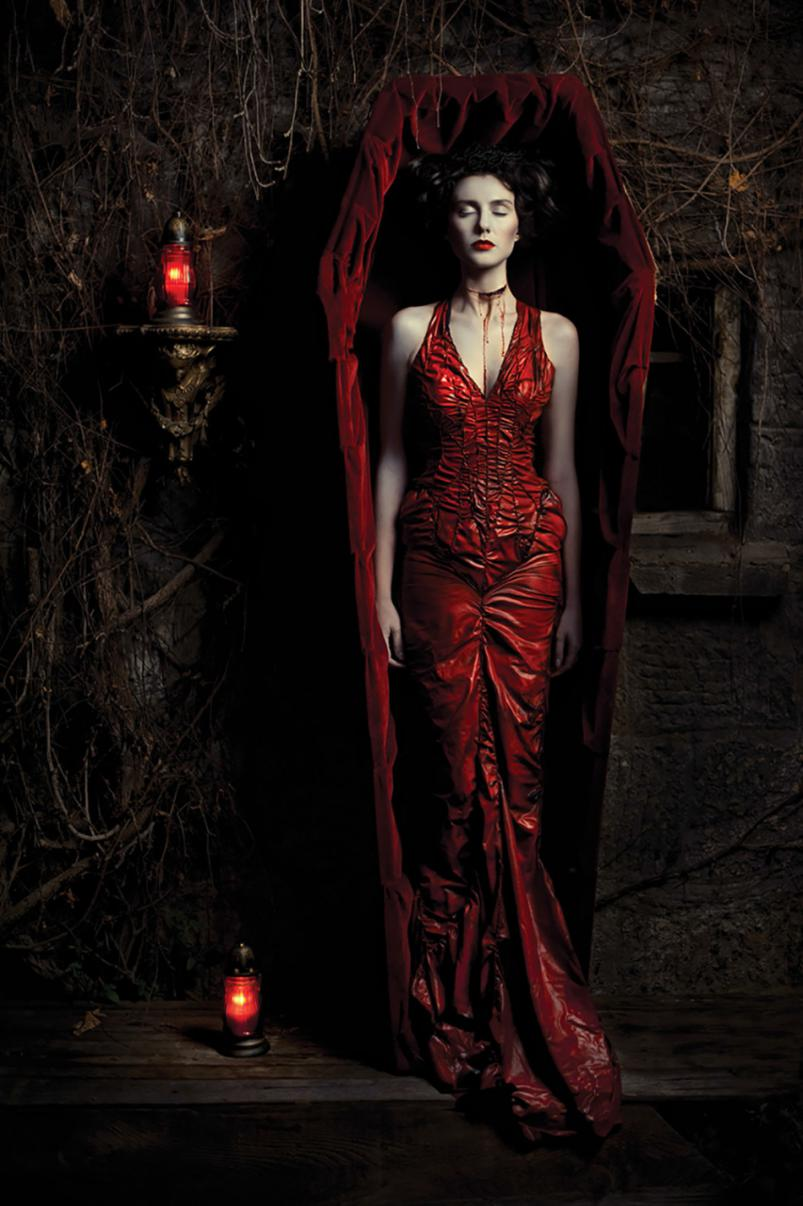
Overall, although black is the main colour to represent Gothic styles, accents of other colours can also display other meanings and be indicative of personality or emotion. Goths use contrasting colours to tell a story and express a deeper meaning.
Why do individuals gravitate towards Gothic styles?
Many individuals around the globe enjoy the Gothic style for a variety of reasons. Gothic styles can help express emotion and profound meanings to be expressed through fashion. In addition, Gothic styles are creative and encourage individuals to look into an imaginative, untold, whimsical stories that form a sense of nostalgia and comfort.
How to get the Gothic Look?
If you’re interested in gothic styles and really would like to use gothic looks to express yourself you can do this in three simple steps:
1) Research – As mentioned above there are many different subcultures within the gothic style, find or a combine the look that suits you.
2) Experiment – There are a variety of colours on the Gothic spectrum. It’s ok, to experiment with deep colours such as deep red, gold and deep purples.
3) Be confident – Whatever Gothic style you decide to choose make sure you wear it with confidence. You can mix and match but make sure you’re happy.
The Gothic look is iconic and will continue to be circulated, revised and introduced to main stream fashion trends.
----------------------------------------------- END -------------------------------------------------------------------